
Aluminium cores
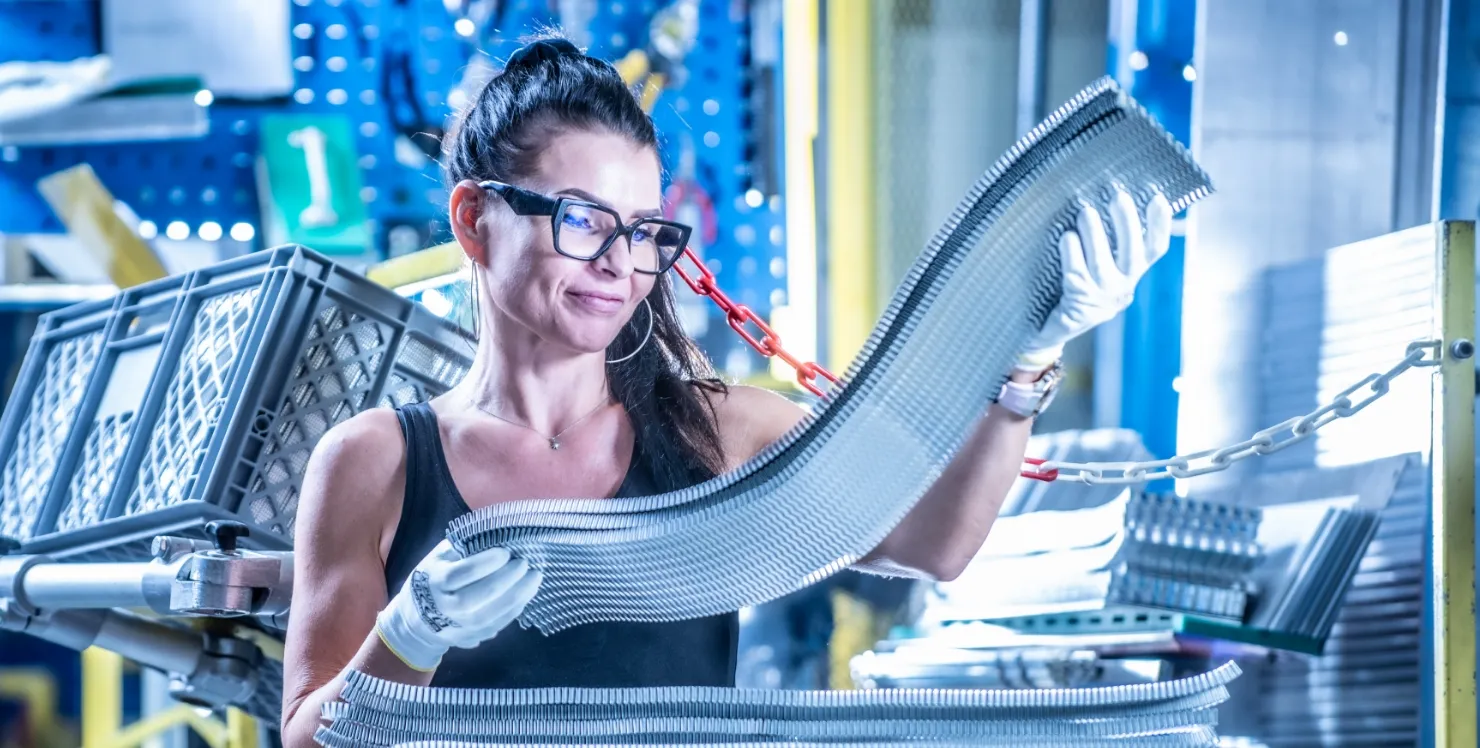
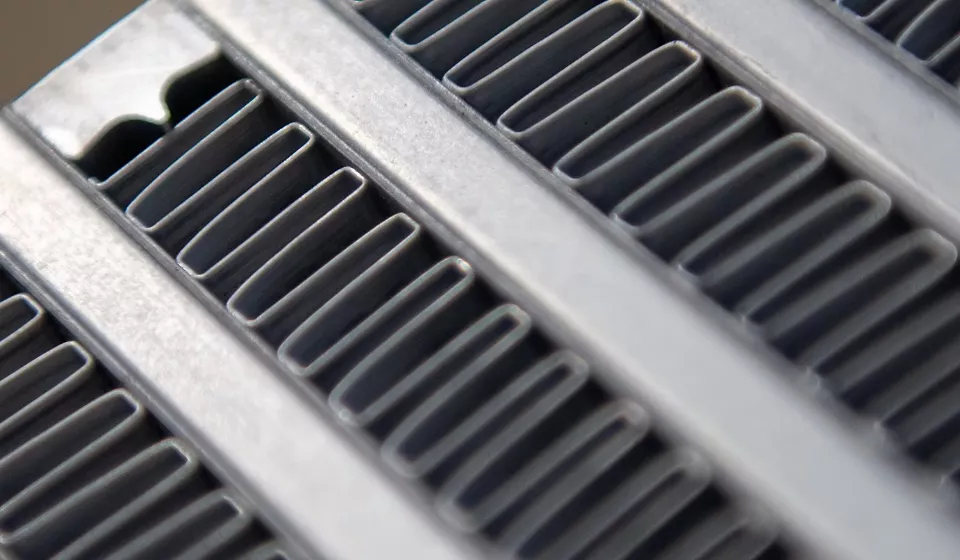
NRF manufactures a wide variety of high-quality aluminium cores in its European production facilities. With full in-house control and a wide selection of fin systems and alloys, we deliver custom solutions for OEM and industrial applications.
For high-performance cooling
Our cores are manufactured using aluminium alloys such as the 3XXX, 5XXX and 6XXX series. Each selected for their specific properties and suitability in various applications.
3XXX
Excellent corrosion resistance, weldability, mechanical strength and low weight.
5XXX & 6XXX
Used for supporting parts like brackets, frames, tanks and tubes. Strong and formable.
Bar & Plate Construction
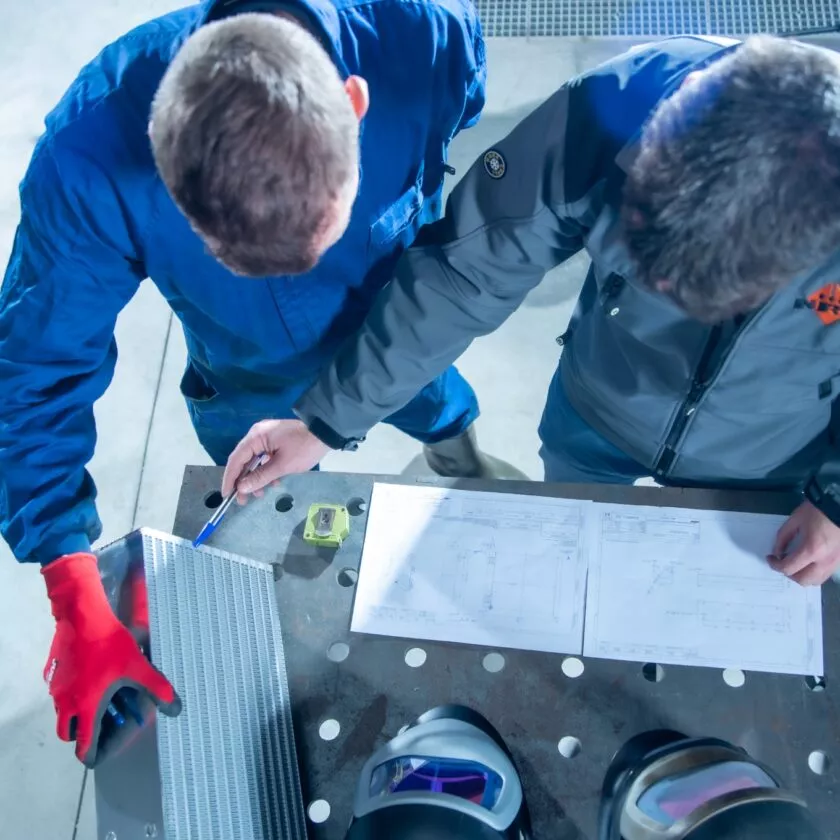
NRF aluminium cores use a Bar & Plate structure — a robust and versatile cooling technology. This design combines aluminium bars and plates to build a durable, compact heat exchanger that performs reliably in high-pressure environments.
For every application
In the production of our cooling systems, NRF employs various metal joining techniques to ensure robust and reliable assemblies. Understanding the differences between these methods highlights our commitment to quality manufacturing.
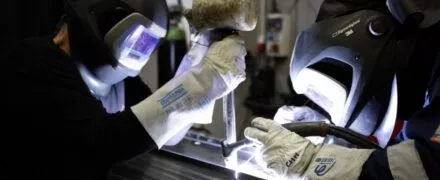
Soldering
This process joins base metals by melting only the filler material, which adheres to the base metal surfaces through capillary action. Soldering occurs at temperatures below 450°C. Common heat sources include torches, furnaces, and induction coils, each selected based on the specific requirements of the component and filler material composition.
Advantages
- Soldering process has a lower power input and processing temperature compared to other processes.
- It is one of the best options to join dissimilar base materials.
- Being able to join thin-walled parts.
- Soldered joint has minimal thermal distortion and residual stresses in the joints.
- Not needing a post-processing heat treatment.
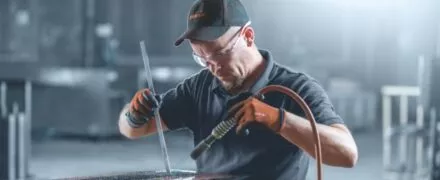
Brazing
Similar to soldering, brazing involves melting a filler metal to bond base materials without melting them. However, brazing operates at temperatures above 450°C, resulting in joints that are generally stronger than those produced by soldering. This method is particularly suitable for components that require higher strength and thermal resistance.
Advantages
- Joins Dissimilar Materials – Ideal for bonding different metals without altering their properties.
- Minimal Thermal Distortion – Reduces warping and residual stresses compared to welding.
- Strong and Ductile Joints – Can create joints as strong as or stronger than the base metals.
- Mass Production Friendly – Allows multiple components to be brazed at once.
- Lower Processing Temperature – Saves energy and reduces material degradation.
- Accessibility – Can create joints in hard-to-reach areas where other methods may not work.
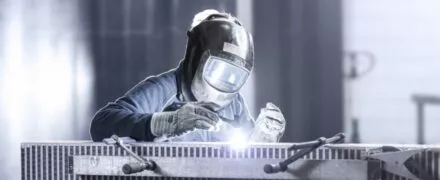
Welding
Unlike soldering and brazing, welding involves melting the base metals themselves, often with the addition of a filler material, to create a coalesced joint. This technique produces the strongest joints, capable of withstanding high stresses and temperatures, making it ideal for applications demanding maximum structural integrity.
Advantages
- Strong and Durable Joints – Creates high-strength bonds suitable for structural applications.
- Versatility – Can be used with various metals and thermoplastics.
- High Efficiency – Certain welding methods offer fast deposition rates, improving productivity.
- Portability – Some welding techniques use lightweight, portable equipment for flexibility.


