Why Garages Should Start Winter Prep Now
Don’t wait for the temperature to drop. Start winter preparation now and help keep your customers warm, comfortable and ready…
Read more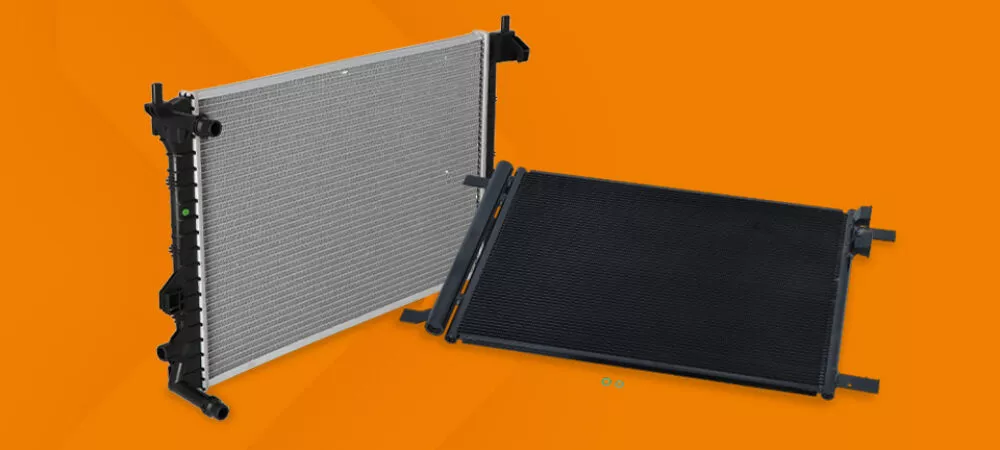
Modern engines run hotter, tighter, and with far less margin for error. That makes the cooling system not just important, but critical.
CHARGE AIR COOLERS (CAC): POWER DEPENDS ON TEMPERATURE
Charge Air Coolers cool compressed air before it enters the engine. Cooler air improves combustion, power, and exhaust temperatures. Positioned at the front of the vehicle, CACs face debris, salt, oil mist, and vibration. Blockages, contamination, or leaks reduce boost and increase thermal stress across the engine. That’s why consistent heat transfer and robust construction matter more than performance gains.
A compromised CAC doesn’t just affect drivability. It increases thermal load across the engine, forcing the rest of the cooling system to work harder than intended.
This is why build quality matters. Well-designed CACs, like those in the NRF range, focus on efficient heat transfer, robust construction and OE matched fitment. Not for performance gains, but for consistency. The
kind that keeps temperatures where they should be, day in, day out.
EXPANSION TANKS: SMALL PART, BIG RESPONSIBILITY
Expansion tanks manage coolant expansion and system pressure. When they crack, fatigue, or allow air into the system, heat transfer suffers and intermittent overheating becomes hard to diagnose. Durability here protects the balance of the entire system.
Air in a cooling system is never harmless. It reduces heat transfer, creates hot spots and often leads to intermittent overheating complaints that are difficult to pin down.
NRF expansion tanks are designed to handle real-world temperature fluctuations and pressure demands, with material choices and tolerances aimed at long-term durability rather than short-term fixes.
FAN CLUTCHES: COOLING WHEN IT’S ACTUALLY NEEDED
Fan Cutches regulate airflow only when it’s needed. If they fail, it usually shows up in two ways; disengaged which caused overheating in traffic or engaged, resulting in, noise, fuel use, and wear increase. Because
symptoms overlap with other faults, they’re often missed, even though airflow is the real issue.
NRF fan clutches are engineered to engage accurately at the correct temperature thresholds, helping restore proper airflow control rather than masking the issue with constant cooling.
OIL COOLERS: PROTECTING LUBRICATION UNDER PRESSURE
Oil coolers stabilise oil temperature and viscosity under load. Corrosion, restrictions, or seal failures raise oil temperatures and accelerate wear, often without early warning signs. NRF oil coolers are designed to maintain consistent thermal control, helping protect engines under real operating conditions, whether that’s stop-start traffic or long-distance haulage.
WHY COOLING SYSTEMS SHOULD BE VIEWED AS A WHOLE
Each component plays a specific role, but none works in isolation.
One weak link forces the rest of the system to compensate.
That’s why, from a workshop perspective, replacing a single part without considering the wider cooling system often leads to repeat issues. The original fault may be resolved, but the underlying stress remains.
Quality parts, correct fitment and a system-level approach reduce comebacks, protect engines and save time in the long run. That’s why comprehensive ranges like NRF’s matter. Not because they’re visible, but
because when they’re doing their job properly, nothing goes wrong.
Download the PDF Article: Engine Cooling Parts: The components that quietly keep everything alive