Why Garages Should Start Winter Prep Now
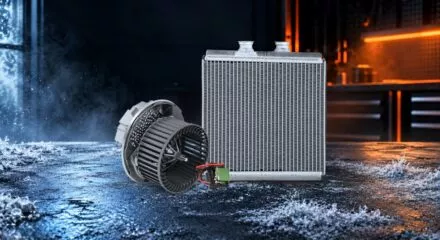
Don’t wait for the temperature to drop. Start winter preparation now and help keep your customers warm, comfortable and ready…
Read more
Turbo problems are not always caused by the turbocharger itself. Loss of power, smoke, unusual noise or warning lights may point towards a turbo fault, but replacing the unit without finding the root cause can lead to repeat failure and an avoidable workshop comeback. Before fitting a replacement turbo, it is important to check the complete system.
1. Common turbo-related symptoms
These symptoms are useful starting points, but they do not automatically confirm turbo failure.
2. Fit the complete system
A successful repair may require more than a replacement turbo. Depending on the vehicle, workshops may also need
Using the correct supporting parts helps reduce fitting time and lowers the risk of repeat problems.
3. Turbo Support from NRF
NRF’s turbo range forms part of a wider air and emission management offering. Alongside turbochargers and fitting kits, NRF supplies intercoolers, turbo hoses, oil coolers, EGR components and exhaust gas pressure and temperature sensors.
4. Diagnose first. Replace once.
The best turbo repairs begin with the right diagnosis. Checking the oil supply, air path, sensors, emissions system and engine condition can prevent repeat failure, reduce comebacks and give workshops greater confidence in the repair. Because sometimes, the turbo is the damaged part. But it is not the part that caused the problem.
Before you replace: The five essential checks
Download PDF article: June blog – Avoiding Turbo Comebacks